
 ESP
ESP ENG
ENG




SPEAKERSSEPES Conferences Speakers
Agustín Peralt
| More information C.V. |
| More information |
Curriculum Vitae
• Doctor (Ph.D.) from the Polytechnic University of Valencia. UPV
• Master of Business Administration (M.B.A.), ESADE Business School
• Degree in economics. University of Valencia
After 15 years of managerial experience, she refocuses her career towards the area of management training and mentoring.
He is currently a consultant specialized in self-leadership projects with professionals of all kinds, such as chefs with 3 Michelin stars, directors and management committees of multinational companies, lawyers, or entrepreneurs, having led more than 40 projects in the last 4 years.
Author of the book "LIDERATE: + control, - stress, + results" that collects the keys of self-leadership and that is already in its 3rd edition.
He has been a visiting professor at the HvA (University of Amsterdam) for 4 years and is currently a visiting professor at ESADE and an academic partner of ESADE Alumni.
www.agustinperalt.es
EFFECTIVE RESILIENCE: Who has taught us to face adversity?Resilience is the ability to cope with the adversities of personal and professional life. When you are a resilient person, you develop the ability to bring out the best in yourself whatever the complexity of the challenge you face, change situation or time of stress. At a time like the current one of complex and uncertain environments that require continuous change and adaptation, resilience has become an attitude and differential capacity. An organization with resilient professionals ends up becoming the architect of its own destiny. In 2012 Agustín Peralt experienced a personal and professional experience of great complexity that he calls the perfect storm. He lived through extreme situations and in this conference, he will explain to us what was the key to be strengthened and to develop his capacity for resilience through self-leadership and attitude. A conference that also motivates attendees to take a series of good practices, strategies and advice for immediate application, based on numerous case studies. It is not just a motivational conference but an action, since the participants leave with ideas and advice based on a structured scheme of immediate application.

Alberto Salgado
| More information C.V. |
| More information |
Extraordinary Degree U Complutense Madrid.
Master of Surgery U Complutense Madrid.
Master of Implants U Complutense Madrid.
Professor Miguel Hernández University Elche.
Guest Professor of more than 10 National and International Universities.
Author and co-author of several scientific articles in national and international journals.
International speaker in the field of Implantology and Regeneration.
Member of the MSR of the European Association for Osseointegration.
Member Comunication Committee European Association for Osseointegration.
Advanced Dental Classroom Group.
Group 2acourses.
Prosthodontic and Surgical Protocol to the Dental Absence in the Anterior Sector.
In this presentation, Doctors Alfonso Diaz and Alberto Salgado will present their protocols of action in the face of the loss of one or several teeth in the anterior aesthetic sector, from diagnosis and planning, through the surgical phase including bone regeneration and grafts. of soft tissues, the provisional phase, until the final restoration of the implant and its harmonization with adjacent teeth or adjacent restorations, including crowns or veneers
Alfonso Díaz
| More information C.V. |
| More information |
Degree in dentistry from the Catholic University of Valencia
Technician in dental prosthesis
Postgraduate in oral implantology and prosthesis by the Miguel Hernández University. 2013
Collaborating professor of the Implant Masters University Miguel Hernández.
Member of the course All on four & immediate load for the Official Association of Dentists of Alicante.
Rehabilitation of Edentulous Maxilla with the technique All-on-4tm Add Modum Clinic Maló. 2015
Practical course with Iñaki Gamborena, San Sebastián. 2016
Oral Rehabilitations, Planning and Work Systematics. Giancarlo Barducci and (Mauro Fradeani) Ancona, Italy. 2014.
Course with Dr. Ueli Grunder and Konrad Meyemberg, Zurich. 2015
Exclusive Practice in Oral Implantology, Prosthodontics and Dental Aesthetics.
Prosthodontic and Surgical Protocol to the Dental Absence in the Anterior Sector.
In this presentation, Doctors Alfonso Diaz and Alberto Salgado will present their protocols of action in the face of the loss of one or several teeth in the anterior aesthetic sector, from diagnosis and planning, through the surgical phase including bone regeneration and grafts. of soft tissues, the provisional phase, until the final restoration of the implant and its harmonization with adjacent teeth or adjacent restorations, including crowns or veneers

Alvaro Blasi
| More information C.V. |
| More information |
Curriculum Vitae
- Residence and certificate in prosthodontics, Augusta University, Dental College of Georgia (USA).
- Fellowship in implants and aesthetics at The Goldstein Center of Esthetic and Implant Dentistry (USA).
- Degree in dentistry, Universitat Internacional de Catalunya, Barcelona.
- Laboratory technician by American Board Certification of Dental Technology (USA).
- Adjunct Professor Department of Restorative Sciences of Augusta University (USA).
- He has published several articles in international journals on interdisciplinary treatment, aesthetics and implants.
- Private practice in Barcelona, at Blasi Clínica Dental Barcelona, focused on aesthetics and implants within an interdisciplinary team.
Rehabilitations on implants: When is it necessary to use pink ceramic?
Implant restorations are complex treatments, whether they are unitary or in full arches. In patients with edentulous teeth, before performing the extractions and placing implants, we must make a good diagnosis and decide if, prior to extraction, we can use these pillars to improve the clinical situation with treatment such as orthodontics, root modification, grafting connective or coronary lengthening. Also, we must decide what type of prosthesis is best suited for each patient before starting treatment; this will determine the three-dimensional placement of the implants. During the presentation the concept PET (pre-extraction treatment), Digital Design of structures on implants combining aesthetics and occlusion will be exposed, and the different materials that can be used today will be reviewed.

Alvaro Ferrando
| More information C.V. |
| More information |
Curriculum Vitae
- Degree in Dentistry. University of Murcia 2000/05.
- Guest Professor of Adhesive Aesthetic Dentistry and Minimally invasive of the University of Valencia since 2014.
- Professor guest University Master in Oral Implantology at Miguel Hernández University (Alicante) since 2015.
- Dental Gaceta Award for best clinical case 2017.
- Festivity Award in the category of porcelain veneers 2017.
- Present continuous training Centro de Estudios Odonto-Stomatológicos Valencia 2015/16. Professional associations of Murcia, Salamanca and A Coruña
- Rapporteur joint meeting SEPES-COEC Gerona 2016 and SEPES-College of Dentists of Seville 2017 Y and SEPES- College of Las Palmas.
- PhD student at the University of Valencia 2016-2019.
- Speaker round table: Orthodontics and Aesthetics in the 64th congress of the SEDO. Tarragona 2018
- Publications of clinical cases in national, international and online journals
- Private practice with exclusive dedication to restorative and aesthetic dentistry at Ferrando Clinics. www.clinicaferrando.com
AESTHETIC SOLUTIONS IN THE ANTERIOR SECTOR:“FROM THE COMPOSITE INJECTED TO THE INJECTED CERAMICS”.
The theoretical workshop will be divided in two parts.
1) In the first part we will detail the composite direct injection technique, known as "injection molding", powered by Dr. David Clark. We will show clinical cases step by step where we solve the feared "black triangles", with a minimally invasive approach and emulating natural and individualized emergency profiles with preformed BioclearÒ matrices and a combination of SDRÒ and heated composite Ceram.XÒ Universal.
2) In the second part we will focus on the alternative of indirect restoration with lithium silicate material reinforced with zirconium oxide, Celtra PressÒ. We will discuss several clinical cases from dental preparation to adhesive cementation.
Alvaro García
| More information C.V. |
| More information |
Degree in dentistry from the International University of Catalonia
Surgery and prosthesis specialist
National Global D speaker on implants and cone morse connections
National speaker of Align Technology on Itero and its benefits
Speaker of courses on surgery and digital techniques
Clinical Director Suitedental Barcelona
Dedication exclusively in the Suitedental clinic
Pendiente

Andrea Chierico
| More information C.V. |
| More information |
Dr. Andrea Chierico has exclusive dedication in Periodontics and Implantology. Graduated in Dentistry and dental prosthesis in 1987 at the University of Padova, Italy, he specialized in Periodontics at the University of Boston in 1994. Since 1999 he has collaborated with the University of Modena and Reggio Emilia (Prof. U. Consolo) collaborating with them in educational and research projects. Lecturer in multiple conferences and courses, he has participated in several clinical and scientific projects. Exclusive practice in Periodontics, Implantology and Regenerative Surgery in his private clinic in Verona, Italy.
Protocols to maintain the stability of the gingival margin and to prevent recessions in prostheses on teeth and on implants.
La evolución de los materiales y técnicas restauradoras permiten al profesional obtener resultados estéticos cada vez más predecibles.
Consideramos dientes estéticos y sanos cuando cumplen de forma armoniosa los tres requisitos fundamentales, morfología dental, arquitectura dental, relación de los labios con todos los demás componentes. La relación de estos requisitos puede resultar en una impresión positiva o negativa para el observador.
La parte más comprometida es la que se encuentra entre la estética rosa y la estética blanca sabiendo que si no se logra una buena integración de ambas, la restauración no parecerá suficientemente natural. De hecho, la naturalidad y la estabilidad de esta interfaz se definen primero por una restauración precisa y por un soporte periodontal adecuado que puede "abrazarlo, adaptarlo".
El objetivo de nuestra conferencia es examinar el papel de la interfaz entre el margen protésico y el margen gingival, integrando el diagnóstico y tratamiento periodontal con los protocolos de restauración actuales.
Angelo Putignano
| More information C.V. |
| More information |
• M.D. degree and D.D.S. post graduate certificate from University of Ancona-Italy
• Full professor in Restorative Dentistry at School of Dentistry Polytecnique University of Marche-Ancona-Italy
• Head of Operative dentistry and Endodontics department at School of Dentistry Polytecnique University of Marche-Ancona-Italy
• Dean School of Dental Hygienist Polytecnique University of Marche-Ancona-Italy
• President Italian Society of Operative Dentistry (SIDOC)
• Founding Member Italian Academy of Esthetic Dentistry (IAED)
• Active Member European Academy of Esthetic Dentistry (EAED
• Founding member of StyleItaliano
• Private practice limited to Restorative Dentistry in Ancona , Italy
• He is co- author of the book “Adhesive Dentistry: the Key to success” edited by Quintessence International.
• Co-Author of “Indirect Conservative Restoration of Posterior teeth” (UTET 2008)
• Prof. Putignano is lecturing internationally on adhesive & aesthetic restorations.
Essential styleitaliano dentistry x daily success in the practice.
Anna Vives
| More information C.V. |
| More information |
• Graduated in dentistry (UB, 2015)
• Postgraduate Dentistry in Oncology and Immunocompromised Patients (UB)
• Currently pursuing the title of Expert in Periodontics and Implants 2018-2020 (Periocentrum Academy)
• Professor Higher Degree Oral Hygiene
• Speaker of various courses
• Professional practice in private clinic
Rehabilitation of patients with head and neck cancer: A clinical challenge
The increase in survival of patients with head and neck cancer makes it increasingly necessary to know the complications arising from their treatment and management, as well as the possibility of oral rehabilitation. However, the complete rehabilitation of oral functions is a difficult objective and requires a multidisciplinary team. Large surgical resections produce anatomical changes that compromise the stability and retention of the prostheses, and the use of osseointegrated implants is considered a good alternative, although it is true that it requires proper planning and correct patient selection.
Antonio Bowen
| More information C.V. |
| More information |
Dr. Antonio Bowen Antolin is licensed and Doctor in Medicine and Surgery and in Dentistry by the University Complutense of Madrid. He made the residence of the specialty in Oral Surgery (3 years) at the Gregorio Marañón Hospital in Madrid, and has obtained the degree of Fellow of the European Board In Oral Surgery, which recognizes excellence and maximum Specialization in Oral Surgery at European level. He has also done the postgraduate courses in Pathology Mouth and Pathology of the Hospital Gregorio ATM Cashew. He is a specialist in Legal Stomatology and Forensic from the Complutense University of Madrid and Specialist in New Technologies in Oral Surgery by the University of Seville. He is also a pecialist in Medical Laser by the CEC of Barcelona. It's in Possession of the Diploma of Postgraduate in Oral Implantology by the University of California Los Angeles (UCLA).
He has been the Director of the Advanced Course of Implantology and Prostheses on Implants of the Institute of Studies Superiors of the San Pablo CEU University, as well as Professor at the Department of Legal Medicine of the Faculty of Medicine of the UCM. He teaches in Master's programs in Implantology and Surgery at the Universities of Seville, Santiago de Compostela, Complutense of Madrid and European of Madrid and in the Spanish Society of Implants.
He also teaches numerous conferences at the both national and international (USA, Italy, United United, Portugal, Germany, Romania, Switzerland ...) on Implantology and Buccofacial Surgery and about New Technologies applied to the Odonto-stomatology. He has published more than 50 articles in magazines specialized doctors and is in possession of several national and international scientific awards and currently his fields of research focus on the Laser and in the New Technologies applied to Implantology and Buccofacial Surgery, field in which it is a reference National and international.
Belongs to the Medical and Dental Schools and stomatologists of Madrid as well as numerous Scientific Societies (Implants, Oral Surgery, Periodontics, Prosthodontics, Dental Laser, Health Law ...) in which he is a Full Member and Diplomate and Founder and in those who have held relevant positions in their Boards Directives Currently is Vocal of Laser and New Technologies in the College of Dentists and Stomatologists de Madrid, director of the Spanish Magazine Odonto-stomatology of implants, Member of the Society Spanish Implant and Odonto-stomatologic Laser and belongs to the prestigious scientific committee Spanish and foreign professional magazines.
Doctor in Medicine and Surgery UCM. 2000
Graduate in medicine and surgery. UCM. 1989
Doctor in Dentistry. UNIBE 1991
Bachelor of Dentistry. UCM: MEC. 1993
Specialist in Oral Surgery. Residence in General University Hospital "Gregorio Marañón". 1991-1994.
Diploma in Legal and Forensic Stomatology. UCM. 1993
Postgraduate course in ATM Pathology. University General Hospital "Gregorio Marañón". nineteen ninety five.
Postgraduate in Oral Pathology. University General Hospital "Gregorio Marañón". nineteen ninety six
European Diploma in Implantology. EU. 1997
Diplomado Member S.E.I. 2001
Fellow European Board Oral Surgery. EFOSS 2004
Specialist in New Technologies in Oral Surgery. U.Sevilla. 2009
Postgraduate in Implantology. University of California Los Angeles. USES. 2012
The digital flow in implantology and restorative dentistry
The digital flow in Implantology is a reality, since it covers the 4 phases of treatment, from diagnosis, planning and surgery, to the restorative phase, both in provisional and definitive prostheses. The function of the different diagnostic elements and tools should be applied at each stage, although two fundamental sensitive sections must be considered: the design of the scanbody and the intraoral scanner. On the other hand, the team is fundamental, as new actors are involved that will increasingly play a more important role in clinical care: biomedical engineering and the planning center. Finally, the use of specific applications for the integration of information and the execution of treatment is essential. In this conference, we will present the complete protocol to achieve the complete digital flow in Implantology
Antonio Castaño
| More information C.V. |
| More information |
Curriculum Vitae
- Graduate in medicine and surgery
- Doctor of medicine and surgery
- Stomatology Specialist
- Associate Professor of Preventive and Community Dentistry 1988-1998
- Professor of Preventive Dentistry 1998-2010
- Vice Dean of Academic Organization. School of Dentistry 2002-2005
- Director of the Master of Oral Public Health 2000-2010
- Director of the Master of Family and Community Dentistry 2006-2010
- Director of the Development Cooperation Project "Social Odontology" (Dominican Republic, Peru, Ceuta and Seville) of the University of Seville 2004-2010
- Prize for the Promotion of Oral Health 2004 (General Council of Professional Associations of Dentists and Stomatologists of Spain)
- President of the Luis Séiquer Social Odontology Foundation.
The oral hygiene cabinet as a key element of health promotion
The oral hygiene cabinet is the ideal option to improve and maintain the oral health of our patients. The hygienist has a fundamental role in the dental team of the 21st century. The paper exposes preventive action strategies to optimize this work model.

Antonio Saíz-Pardo
| More information C.V. |
| More information |
Curriculum Vitae
- Degree in Dentistry from the University of Granada in 1998.
- Doctor "cum laude" in Stomatology by the University of Granada in 2012.
- Master in Oral Surgery and Implantology at the University of Granada 2001-2004.
- Diploma in Esthetic Dentistry (2009)
- Diploma in Odontological Management and Clinical Management (2008)
- Invisalign Provider since 2015 (Platinum Elite)
- Clinical stays in Geneva, Winthertur, Lisbon, San Sebastian, Florence, Sao Paulo and Bucharest.
- Member ITI, SECIB, SEPES, SEPA, SEDA and EAED Afiliate.
- Communications in National and International Congresses: 29
- Published articles: 16
- Courses taught: 10
- Private Practice Surgery and Implants in Jaén since 1998.
GUIDED SURGERY AND DIGITAL RESTORATIONS 3.0
The technique of guided surgery allows to know the amount and disposition of the maxillary bone to plan in an easy and predictable way the placement of implants. In this conference I will analyse in which cases I recommend its use, the protocol of immediate implants and the minimally invasive surgical techniques that I use in the esthetic zone. Likewise, greater emphasis will be placed on the holistic vision of the cases we deal with on a day-to-day basis.
Armando Badet
| More information C.V. |
| More information |
Curriculum Vitae
-
• Graduate in medicine and surgery.
• Degree in Dentistry.
• Master in Hospital Management (ESADE).
• Diploma in Integral Dentistry from the International Academy of Integral Dentistry (AIOI).
• Professor of the Diploma of Training in Implantology and Oral Rehabilitation of the University of Seville, Spain.
• Collaborator of the Expert Course in Oral Implantology at the Catholic University of Valencia, Spain.
• Director and professor of the Master of Prostheses on Implants of the Higher School of Implantology of Barcelona (ESI), Spain.
• Professor of the Master of Implants of the Higher School of Implantology of Barcelona (ESI), Spain.
• Professor of continuing education courses for dentists of the Institut Catala de la Salut (ICS), Barcelona, Spain.
• International Professor of the International Academy of Integral Dentistry (AIOI).
• Coordinator and professor of the Master of Oral Prosthesis and ATM of the Universitat Internacional de Catalunya (2001-2004).
• Co-coordinator and professor of the continuing education courses of the Spanish Society of Implants (SEI) (2009-2014).
• Founding member of the International Academy of Implantology and Periodontics (AIIP).
• Member of the American Academy of Dental Implants (AAID).
• Member of the Spanish Society of Stomatological Prostheses (SEPES).
• Member of the Spanish Society of Implantology (SEI).
• Member of the scientific committee of the Labor Dental Clinic magazine.
• Member of the scientific committee of Maxillaris magazine.
How to avoid the loss of marginal bone around an implant: main biomechanical concepts
"How to avoid the loss of marginal bone around an implant: main biomechanical concepts" Marginal bone maintenance is a fundamental objective for the predictability of our long-term implant restorations. This conference aims to be a summary of the main biomechanical concepts to achieve it. We will talk about the macroscopic design of the implant, the importance of the connection, the platform change and the height of the pillar, among others.
August Bruguera
| More information C.V. |
| More information |
Curriculum Vitae
AUGUST BRUGUERA (Spain) is a dental technician and director in his own laboratory and training center: 'Dental Training Center Barcelona'. He studied dental prosthesis in Barcelona at the school "Ramon i Cajal." He completed his training by staying in private laboratories in Germany, Italy, and Switzerland. Author of several articles published in national and international journals. He was director of the magazine "Dental Excellence Spain". Professor in courses and speaker in sesions at national and international conferences. It belongs to the international group of Bio-emulation studies. He is the opinion leader of Ivoclar Vivadent. Member of the editorial committee of the magazine "Dental Dialogue" Spanish edition. Member of the editorial committee of the Brazilian magazine "Estética". Author of the book "Sombras, un mundo de color." Published in Spanish, English and German. Author along with Dr. Sidney Kina of the book "Invisible, ceramic restorations". Gold scalpel 2003. Honor member of ACADEN. You want to know more? Visit www.augustbruguera.com
INSIDE OUT
Our aesthetic demand is getting higher and this implies a more predictable dentistry. Where previously there was room for inspiration and spontaneity today, there is only discipline and a well-defined protocol that will lead us to a predictable final result without repetitions in any of its stages. This implies the absolute control of aesthetic, mechanical and functional concepts. We cannot value our restoration by parts, because in the end it will be a whole. In this conference we will analyse the tooth from inside to outside, from its internal structure to its function. We will see how to plan the whole treatment based on fundamental parameters and how we protocolize this in predictable and repeatable steps. The incisal position will be a determining factor to achieve a non-traumatic anterior guidance for our patients while at the same time guiding us all the internal stratification giving us the position of the mamelón, amount of free edge and translucency of the restoration. Content: waxing digital or analog diagnostic. We will analyse both options assessing what they contribute, when and how to apply them. Mechanical concepts Today we have endless possibilities in terms of restorative material. We will analyse what each one of them contributes from the mechanical and aesthetic point of view. Wondering when intrinsic resistance is fundamental and when it is not. Internal - external morphology. The dentin - enamel relation is fundamental to understand the great resistance to fracture that the natural tooth offers us. But obviously this will also be determined as far as colour is concerned. For this we analyse the concept of the water drop and observe its application depending on the material and type of restoration. Basic concepts of complex stratification. Valuing the final volume of the enamel from the load of dentin. Fundamental concepts of occlusion. Overjet - Overbite. Correct location of incisal contours. MEMO BITE. Stratified or monolithic: two options with different aesthetic, structural and functional concepts.
Beatriz Gimenez
| More information C.V. |
| More information |
Currículum Vitae
Masters in Prosthodontics.Won two research awards in prosthodontics (SEPES 2010, IADR 2014) was an ITI scholar at ACTA University (2013-14) and has presented numerous times at national and international venues. She is currently an Assistant Professor and researcher at ACTA, Amsterdam and pursuing to finish PhD on the applications of digital impressions in prosthodontics.Setting the knowledge bases on digital impressions
Technology has the power and potential to significantly improve the way we perceive and work in dentistry, not only in the clinic and laboratory but also in research and education. Since the implementation of technology in dentistry, new systems are continually appearing and evolving existing ones and this process goes faster than the training that reaches dentists. There is still confusion about what can be done with these systems and the limitations. This generates confusion and uncertainty. This conference will focus on the knowledge bases needed today to understand how this technology works, allowing the assistant to form a criterion that will help them to understand more deeply the digital printing systems and the rest of the conferences oriented more to the application of the Digital prints.
Carlos Falcão
| More information C.V. |
| More information |
Curriculum Vitae
- Dentist from the Faculty of Dentistry of the University of Oporto
- University Specialist in Implantoprosthesis by the University Complutense of Madrid
- Specialist in Aesthetic Dentistry by the Complutense University of Madrid
- Master in Applied Biostatistics in Health Sciences by the Sevilla University
- Doctor in Odonto-stomatology from the University of Seville
- Professor responsible for Fixed Prosthetics at the Fernando University Pessoa (Porto-Portugal)
- Visiting Professor of the Master of Periodontics and Implantology of the Sevilla University
- Director of the Porto Dental Institute
- Vice-President of the Portuguese Society of Digital Dentistry
- Member of the Scientific Committee Klockner Implant System.
- Exclusive private practice in Aesthetic and Oral Rehabilitation
DIGITAL FLOW IN AESTHETIC AND ORAL REHABILITATION: AS TECHNOLOGY THIS IS CHANGING THE TREATMENT PROTOCOLS IN CURRENT DENTISTRY.
In recent years we have witnessed a huge evolution in the procedures restorers, both in natural teeth and in implants. Be in the planning of a treatment, or during its clinical and laboratory execution, steps have been introduced based on the technological resources currently available for design and preparation of the final restoration. Currently, the dentist and the technician of laboratory can predict with great accuracy the intended end result, and make a definitive restoration or prosthesis based on the defined parameters in planning This presentation aims to review the current status of these procedures and as the resources of C.A.D. (design) and C.A.M. (construction) are little by little complementing and replacing the more conventional procedures, this without excluding the biological, functional and aesthetic principles, which should guide the final restoration.
Carlos Fernández
| More information C.V. |
| More information |
Curriculum Vitae
- Degree in Dentistry from the Complutense University of Madrid 2000
- Own title of Specialist in Dental Aesthetics by the U.C.M. 2000-2002
- Professor of the Master of Aesthetic Dentistry of the Faculty of Dentistry of the U.C.M since 2004
- Professor of the Master of Restorative Dentistry Based on the New Technologies of the U.C.M. since 2014
- Associate professor of the Continuous Training Course in Dental Aesthetics of the UCM, module of aesthetic restorations in the previous sector and module of clinical cases since 2006
- Associate professor of the Continuing Education course in Clinical Implantology of the UCM
- Author of a chapter and coauthor of another in the book "The Manual of Dentistry"
- Author of several articles in dentistry in journals not indexed in restorative and aesthetic in Spain and internationally.
- Dictator of more than 60 courses of restorative and aesthetic dentistry, as well as step-by-step demonstrations in Europe (Russia, Czech Republic, Serbia, Romania, Slovakia, Ukraine, Belarus) and more than 150 courses nationwide.
- Participation as a speaker in national and international conferences in areas of restoration and aesthetics.
- Honorary Member of the Style Italiano group
- Member of SEPES
- Private practice in restorative and aesthetic dentistry, clinic Azero & Villares Dentistas, Madrid.
Essential styleitaliano dentistry x daily success in the practice.
Carlos Saavedra
| More information C.V. |
| More information |
Curriculum Vitae
He was born in Madrid. In 1992 he completed his training as a technician in Dental Prosthetics and since then he has taken theoretical and practical courses with the best experts in the field of dental prosthetics worldwide.
He works as a ceramist specialized in highly aesthetic works in his own laboratory, CS-Lab, and as a demonstrator for various commercial houses. His mastery of ceramics has led him to give courses and conferences nationwide.
He collaborates as a professor in the Master of Aesthetic Dentistry of the Complutense University and in the Aesthetic Dentistry Diploma of the Continuing Education program of the same University.
Optimal esthetics in a digital era. Is possible?
Dental clinician-Dental technician collaboration is increasingly more important in digital procedures. Nowadays we want more efficient CAD/CAM treatments with better quality results,looking for reliability, reproductibility and standardization.The questions are if these procedures can be integrated in the daily practice, which are the limits and the possibilites and if we are prepared to asume in an intelligent and reasonable way the advantages and disadvantages of these
techniques.
“man made” versus “machine made”. Although the CAD/CAM manufacture and the software can help us a lot, the specialist, the human being is still indispensable. The last technologies need the creativity, the esthetic sensitivity and the capability of integration to achieve excellent works. Not everything can be digital, but many steps can be. The clue is to combine both procedures, to extract from each of them the most positive aspects and integrate them later. We´ll deal with these interesting ítems during our lecture.
Carlota Suárez
| More information C.V. |
| More information |
Curriculum Vitae
- Degree in Dentistry at the Cardenal Herrera University of Valencia (2005-2010)
- Master of Prosthesis at the University of Valencia. (2010-2011)
- Master's Degree in Restorative and Aesthetic Dentistry at the International University of Catalonia. (2011-2013)
- Master in Prosthetics at the University of Washington, Seattle. (2013-2016)
- Associate professor of the Master of Periodontics at the University of Oviedo
- Associate professor at Dawson Academy Spain
- Private practice in Oviedo dedicated to dental prosthetics and aesthetics
The occlusion, an inseparable ally of aesthetics in the minimally invasive rehabilitation of advanced dental wear.
More and more frequently patients with dental wear who simply demand an aesthetic improvement through conservative procedures without being aware of the existence of underlying functional problems, but which could complicate the treatment if they are ignored by the restorative dentist, come to our consultations. Although currently the evolution of adhesive techniques and dental materials allows the aesthetic and functional rehabilitation of tooth structure lost from a minimally invasive perspective, changes in occlusion, experienced as a result of such wear, should be considered. consideration. Therefore, in addition to knowing the bases of the adhesion, the indications of the different restorative materials and the design of a new smile, it is fundamental to take into consideration those basic principles that will allow the restoration of a new occlusal scheme in this type of clinical situations. The objective of our presentation will be to show a protocol Simplified, based on evidence, which will create a new occlusal scheme that contributes to a better distribution of forces on this type of minimally invasive restorations.
Daniel Robles
| More information C.V. |
| More information |
Curriculum Vitae
- Doctor in Dental Science D. D. S.
- Master´s Degree in Periodontics and Oral Implantology. UAL.
- Course Coordinator Oral Surgery, Implantology and Prosthodontics Master at CEPUME-UAH. (Madrid).
- Course Coordinator Advanced Oral Surgery at Avanza2 Formación (Valencia).
- Professor in Oral Surgery and Implatology at Rey Juan Carlos Univ. Master (Madrid).
- Professor in Oral Surgery, Implantology and Prosthodontics at Alfonso X el Sabio Univ. Master. (Madrid).
- Member of the Academic Commission International Program of Oral Surgery and Oral Rehabilitation UCAM Univ. (Barcelona, Florida University, Ceyesov México, NYU.).
- Speaker at Reconstructive Surgery Course (DL Cirugía Oral).
- Clinical Professor at several Master´s degrees.
- SCOI, SECIB, SEPA, SEOMI, SECUB, SEASCDO Member.
- National and International Speaker in Oral Surgery and Bone Grafting.
Peri-implant stability as life insurance of our restorations: less is more concept
Implantology is immersed in a series of biological, surgical and prosthodontic factors that will directly influence the final result of the treatment.
In this presentation the authors intend to review these factors, since their correct use will facilitate that in a simpler way (concept less, it is more) we can obtain better results both at bone level and soft tissues. Similarly, the choice of the implant, the type of connection, the emergence of our prosthesis and the correct use of the biomaterial of bone regeneration or conservation, will be of vital importance in the stability of the tissues in the short and long term.

Davide Faganello
| More information C.V. |
| More information |
Curriculum Vitae
Graduated in Dentistry and Dental Prosthesis at the University of Padua, Italy in 2004. exclusive practice in aesthetic and functional rehabilitation of teeth and implants using minimally invasive techniques in its private clinic Zero Branco TV, Italy and with international professionals. Participant of countless courses related to aesthetic rehabilitation in teeth, implants and management of dental practice. An integral part of the continuing education group "THINK ADESIVE" directed by Dr. Riccardo Becciani, he collaborates as lecturers on a regular basis. Lecturer in different conferences and courses, is also the author of several scientific articles and international journalsProtocols to maintain the stability of the gingival margin and to prevent recessions in prostheses on teeth and on implants.
The evolution of restorative materials and techniques allow professionals to obtain increasingly predictable aesthetic results.
We consider aesthetic and healthy teeth when they harmoniously fulfill the three fundamental requirements, dental morphology, dental architecture, relation of the lips with all the other components. The relationship of these requirements can result in a positive or negative impression for the observer.
The most committed part is between the pink aesthetic and the white aesthetic, knowing that if a good integration of both is not achieved, the restoration will not seem natural enough. In fact, the naturalness and stability of this interface are first defined by an accurate restoration and adequate periodontal support that can "embrace, adapt."
The aim of our conference is to examine the role of the interface between the prosthetic margin and the gingival margin, integrating diagnosis and periodontal treatment with current restoration protocols.
Ernest Mallat
| More information C.V. |
| More information |
Curriculum Vitae
- Graduate in medicine and surgery (University of Barcelona, 1992,)
- Degree in dentistry (Universidad Complutense de Madrid, 1995)
- Postgraduate Diploma in Prosthetics (University of Barcelona, 1997)
- Adjunct Professor of the Biomaterials and Prosthetics Area (Universitat Internacional de Ca talunya, 1998-1999)
- Director of the Prosthesis Postgraduate Course of the Societat Catalana d'Odontoestomatologia (since 2007)
- Belongs to: SEPES, SEPA, ICOI and Acadèmia de Ciències Mèdiques de Catalunya i Balears
- He has taught more than 100 courses in Oral Aesthetics, Fixed Prosthesis, All-ceramic Prosthesis, Removable Partial Prosthesis, Implant Prostheses, Overdentures on implants and Occlusion.
- He has given more than 50 lectures and communications on Oral aesthetics, Fixed prosthesis, Removable partial dentures and Prostheses on implants.
- He has published more than 70 articles on Oral aesthetics, Fixed prosthetics, Removable partial dentures, and Prostheses on implants and Occlusion.
- Author and co-author of the following books:
BASICS OF BODY AESTHETICS IN THE PREVIOUS GROUP. E. Mallat Desplats, E. Mallat Callis. Ed.Quintessence. 2001
REMOVABLE PARTIAL PROSTHESES AND OVERHEADS. E. Mallat Desplats, E. Mallat Callis. Ed.Elsevier 2003.
Fixed aesthetic prosthesis: a clinical and interdisciplinary approach. E. Mallat Callís. Ed.Elsevier 2006.
RECONSTRUCTION OF ENDODONTIDE TEETH: A GUIDE TO CLINICAL ACTION. E. Mallat Callís. European Specialized Ed 2007.
ENDODONTIDE TOOTH RESTORATION MANUAL. E. Mallat Callís. Ed.Ergon. 2014
ZIRCONIO IN FIXED PROSTHESIS. CLINIC AND DESIGN. E. Mallat Callís, J. Cadafalch Cabaní, J. de Miguel Figuero. (in preparation)
Treatment decalogue for wear cases in the anterior region
The presence of patients with wear and tear is increasingly frequent in our consultations. This type of patient is a challenge for the dentist because many questions arise: what has been the cause? Should we increase the vertical dimension? What is the starting point? What material is the most appropriate? For functional areas? What restorative options are preferred? In the proposed decalogue, the guidelines will be given to address this type of patient
Ernesto Montañés
| More information C.V. |
| More information |
Curriculum Vitae
Degree in Dentistry from the University of Granada, 1993. - Master's degree in oral implantology from the University of Seville 2013. - Medal of scientific merit awarded by the official school of dentists and stomatologists of Malaga delivered in 2013. - Author of various articles in national magazines. - Collaborates or has collaborated as a visiting professor in several university master's degrees including the Master of implantology at the University of Seville, the Master's degree in Multidisciplinary Aesthetic Dentistry of the Faculty of Dentistry of the University of Granada, Master of Restorative Dentistry and Endodontics of the Rey Juan Carlos University of Madrid, the University Expert in Multidisciplinary Aesthetic Implantology of the International University of Andalusia. - Private practice in restorative dentistry, aesthetics and implantology in Malaga.RELEVANT RESTORATIVE FACTORS IN IMPLANTOLOGY. THEIR IMPORTANCE REGARDING THE FINAL AESTHETIC AND FUNCTIONAL RESULT AND THE LONG-TERM STABILITY
When we talk about implants, we tend to focus more on surgical procedures and regenerators of hard and soft tissues, because we know how important they are. But no less important is the prosthodontic phase and the correct selection of suitable contours in the implant-abutment restoration assembly, the best regenerative surgical technique may not meet the final functional, aesthetic and stability expectations of the implant treatment if the prosthesis does not meet with requirements that allow to keep these hard and soft tissues and optimize the white and pink aesthetics stably over time.
Equally, important is the phase of provisional prosthesis, which will be essential in some clinical situations to obtain the desired results. We will review these concepts with the presentation of some clinical cases.
Eva Berroeta
| More information C.V. |
| More information |
Pending
Treatment plan: indications and sequence of immediate or delayed loading
Oral rehabilitation with implant-supported prostheses is currently an alternative treatment that is distinguished by high predictability and satisfaction in patients receiving it.
Since the beginning of the "Age of Predictability" changes have been introduced on the original protocol, which has allowed us to significantly shorten the treatment intervals, to the point of being able to offer in some patients the possibility of being carriers of a provisional fixed prosthesis. a few hours after the implant insertion.
Not all patients have the same physical, anatomical and emotional characteristics and therefore the treatment protocols
Implant-supported oral rehabilitation has changed as experience and technology have evolved.
The purpose of this presentation is to make a description of the different individual characteristics that can be made to a candidate candidate or not for rehabilitation with implant-supported prostheses immediately after implant placement.
The presentation will be illustrated with cases treated over 15 years on different clinical situations through photographs and videos and solutions to the problems that have been generated in the learning curve for predictability in implant-supported prosthesis treatments by immediate loading.
Fabian Soto
| More information C.V. |
| More information |
Curriculum Vitae
- Founder and director of the Laboratorio Fabián Soto site in Stiges-Barcelona.
- He completed his studies in dental prostheses at the Ramón y Cajal school in Barcelona (1996-1998)
- He completes his training by taking technical courses of international prestige such as: Agust Bruguera, Oliver Brix, Aki Yoshida; Gerald Ubassy, Hiro Tokutomi, Jungo Endo, Aldo Zilio, Paul Fiechter, Volker Brosch, Shiegeo Kataoka, Nondas Vlachopoulos, Tninha Gomez, among others.
- Make a stay in August Bruguera laboratories from 2017 to the present.
- Stays in laboratories in Italy to perfect their stratification techniques.
- Continuous training in various courses of the Academy of Medical Sciences of Catalonia and the Balearic Islands.
- Continuously attends numerous national and international refresher courses and conferences for dentists and technicians.
- Speaker of conferences and courses at national level.
- Partner of SEPES and ACADEM.
Pending
Fernando Fombellida
| More information C.V. |
| More information |
Curriculum Vitae
• Degree in Medicine and Surgery from the University of the Basque Country (1983).
• Specialist in Stomatology by the University of the Basque Country (1986).
• Doctor in Medicine and Surgery from the University of the Basque Country (1993).
• Author of several books and numerous articles related to his specialty in the national and international scope.
• Co-author of the book "Cooking for life: How to cook to prevent cancer."
• Private practice dedicated to periodontics and implants in San Sebastian
Connective Tissue Grafts: Why Does they Demand Grow?
The connective tissue grafts represent a set of surgical techniques that are used, usually, both for the coverage of gingival recessions and to optimize the aesthetics and increase the predictability of treatments. Its therapeutic value has been increasing in recent years and for many clinicians represent one of the key pieces when planning clinical cases. For this reason, not only has the number of professionals who practice these techniques increased considerably, but also the number of those who demand training in this area. And this responds to a clear need, since periodontics, implantology, restorative and aesthetic dentistry, as well as orthodontics and pediatric dentistry, can benefit considerably from the practice of these mucogingival surgery techniques.
Throughout this paper, which maintains a purely clinical approach, I want to show the usefulness of connective tissue grafts in different dental specialties
Ferrán Puigrefagut
| More information C.V. |
| More information |
Curriculum Vitae
Dental prostheses technician by the High School Valle de Tena (Zaragoza)
Continuous formation by courses and demostration assistance with exceptional dentists and technicians like: August Bruguera, Dario Adolfi, Xavier Balmes, Hiro Tokutomi, Eduardo Setién, Mauro Fraediani, David Garber, Stephen Chu, Aki Yoshida, Jungo Endo, Nondas Vlachopoulos, etc
PROFESSIONAL EXPERIENCE
2004-2007: Javier Ruiz prosthetic Laboratory (Zaragoza), assistance and collaboration in Clínica Dental Canfrán.
2007-2009 Antonio Bescós Laboratory (Zaragoza) Dentek Laboratory (Manresa).
2010-2011: Member of the laboratory Función y Estética (Zaragoza).
Nowadays director of Prótesis y Artesania Dental S.L
Demonstrator dental ceramics Noritake.
Publication: article in the journal Labor Dental, Lab-Line...
Author of a chapter in the book " Layers".
Esthetic proportions of the pink area, related to white aesthetics explaining the mathematical proportions, to achieve that basic and fundamental balance in the frame of the smile. Deciding which of the two roads we opted for, surgery or prosthesis. We will show cases where these proportions are respected and cases where they are not, in order to demonstrate the importance of such proportions. We talk about techniques that we use on a day-to-day basis, in the clinic and in the laboratory, to transmit information better, especially in pink aesthetics
Gonzalo Duran
| More information C.V. |
| More information |
Curriculum Vitae
Dr. Gonzalo Duran graduated Dentistry in 2005 (University International of Catalonia). He did postgraduate studies at Göterborg University & Monza Italy with Dr. Fichera Dental aesthetics, digital dentistry, Gnathology Slavicek technique, micro dentistry and smile design, lecturing Spain. Opinion Leader for major companies in Spain, the dental field such as Straumann Digital, 3Shape (Trios, dental scanner), FGM (Brazil) He mainly treats complex dental aesthetics cases. Advanced training in: Smile design, Veneers, Microscopio (Dj), Skins.100% Digital Workflow "OUR DAY BY DAY IN THE DENTAL CLINIC "
In recent years we have transformed our clinical analog system to 100% digital flow, in all areas of dentistry, from simple restoration to complex rehabilitation
Herminio García
| More information C.V. |
| More information |
Curriculum Vitae
- Doctor in Dentistry from the UIC.
- Postgraduate in Oral Surgery by the UIC.
- Master in Oral Prosthesis and ATM by the UIC.
- Associate Professor of the Master of Restorative and Aesthetic Dentistry of the UIC. Private practice in Barcelona and Palma de Mallorca.
IMMEDIATE LOADING IN ADJACENT IMPLANTS IN THE AESTHETIC AREA
Currently periodontics and prosthodontics go hand in hand in many treatments in aesthetic implantology. Thanks to temporary restorations we are able to reduce treatment times, guiding tissue healing and offering our provisional patients an aesthetic immediately. The morphology of the provisional restoration is very important because it will be in charge of supporting the tissues and, in some cases, will guide and stabilize the connective tissue grafts.
Ion Zabalegui
| More information C.V. |
| More information |
Pending
Treatment plan: indications and sequence of immediate or delayed loading
Oral rehabilitation with implant-supported prostheses is currently an alternative treatment that is distinguished by high predictability and satisfaction in patients receiving it.
Since the beginning of the "Age of Predictability" changes have been introduced on the original protocol, which has allowed us to significantly shorten the treatment intervals, to the point of being able to offer in some patients the possibility of being carriers of a provisional fixed prosthesis. a few hours after the implant insertion.
Not all patients have the same physical, anatomical and emotional characteristics and therefore the treatment protocols
Implant-supported oral rehabilitation has changed as experience and technology have evolved.
The purpose of this presentation is to make a description of the different individual characteristics that can be made to a candidate candidate or not for rehabilitation with implant-supported prostheses immediately after implant placement.
The presentation will be illustrated with cases treated over 15 years on different clinical situations through photographs and videos and solutions to the problems that have been generated in the learning curve for predictability in implant-supported prosthesis treatments by immediate loading.
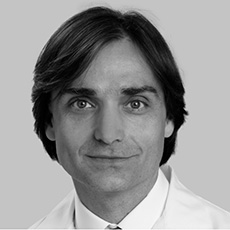
Itsvan Urban
| More information C.V. |
| More information |
Currículum Vitae
Dr. Urban received his DMD degree and subsequently his MD degree from Semmelweis University School of Medicine and Dentistry (Budapest, Hungary) in 1991 and 1996.
He completed a full time program in oral surgery at St. Istvan Hospital in Budapest, Hungary (1992-1996). He completed his internship program in Periodontics at UCLA.
After he graduated from the Fellowship Program (1999-2000) in Implant Dentistry at Loma Linda University in Loma Linda, California, he was appointed assistant professor the following year. Dr. Urban teaches implant dentistry in the graduate program at Loma Linda University. He is licensed in the state of California (USA) and has a private practice in Budapest, Hungary.
Dr. Urban received his PhD degree in Periodontlogy in 2012 at the University of Szeged, Hungary. He is currently an honorary professor at the University of Szeged.
Dr. Urban is a board member of the Osteology Foundation and has published scientific articles and text book chapers on bone regeneration and soft tissue reconstructive surgery around dental implants. Recently, Dr. Urban has become an adjunct clinical associate professor at the Department of Periodontology and Oral Medicine at the Univeristy of Michigan.
Perspectives on Vertical and Horizontal Augmentation
Vertical and horizontal augmentation presents one of the greatest challenges of bone regeneration in implant dentistry. This is primarily due to the difficulty of the surgical procedure and its potential complications. Patient selection, patient preparation for surgery, precise surgical techniques and postoperative management are the key factors in reducing the rate of bone graft complications.
To predictably achieve successful bone augmentation angiogenesis, clot stability and space maintenance should be employed.
Another important factor is flap closure during bone augmentation. The key to achieving wound closure is not only the clinician’s ability in obtaining tension free release flap but also good soft tissue quality and quantity. In an attempt to achieve wound closure and hence graft stability, the buccal mucosa is often broadly released, and this often results in a severe apical translocation of the mucogingival line, loss of vestibule and keratinized mucosa (KM).
Recent research on vertical and horizontal ridge augmentation as well as soft tissue reconstruction will be presented.
Utilizing these procedures may lessen the need of harvested autogenous bone and may generally lead to decreased morbidity and therefore increased patient comfort and satisfaction associated with these regenerative procedures.
Learning objectives:
- Understand the biology of the incorporation of the bone graft.
- Understand the surgical anatomy of the floor of the mouth
- Learn the surgical principles of ridge augmentation surgery
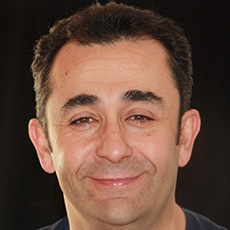
Javier Casas
| More information C.V. |
| More information |
Curriculum Vitae
- Degree in Medicine (University of Alicante) and Dentistry (University of Valencia).
- Doctor in Dentistry from the University of Valencia.
- Master in Prosthodontics and Stomatognathic Technology (University of Valencia).
- Extraordinary Medicine Award, Extraordinary Award for Dentistry, First National Award for Completion of Studies in Medicine and Sepes Awards for the best communication in the meetings of Sepes de Santander, 96 and Almería, 05.
- Associate Professor of Prosthodontics and Occlusion of the Faculty of Dentistry and Medicine of the University of Valencia.
- Visiting Professor of the Master of Oral Surgery of Seville, Esthetics of the Complutense of Madrid and Aesthetics and Prostheses of the International University of Catalonia.
- Speaker of numerous courses on aesthetics and ceramic materials, oral rehabilitation and implants.
- Former vice-president of the Spanish Society of Stomatological and Aesthetic Prostheses (SEPES) and vice-president of the Odonto-stomatological Studies Center.
Current state of materials in Restorative DentistryDuring the last years, new materials, generically called hybrids, have emerged in order to perform indirect restorations on teeth or implants in the safest and most predictable way by combining the best of direct restorations and porcelains. In these few years, we have seen how some of the main indications given to these materials already disappeared. In light of the research that has emerged over the years and the positive or negative experiences we have had, we outline a practical guide to when and how they should be used, and to what extent they can serve as substitutes for more contrasted restorations such as those based on direct resins or ceramics. Likewise, we will add to this debate the zirconium oxide or zirconia restorations, both coated with porcelain and monolithic, in order to propose the best option for each case.
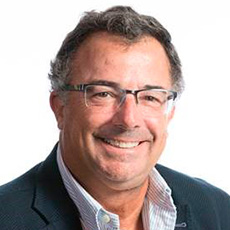
Javier Fabrega
| More information C.V. |
| More information |
1983 DEGREE IN MEDICINE AND SURGERY. Universidad Autónoma de Madrid.
1987 SPECIALIST DOCTOR IN STOMATOLOGY. Universidad Complutense de Madrid
1993 CERTIFICATE OF SPECIALIST IN PROTESIS. University of Southern California (USA)
• Professor in the Master of Aesthetic Dentistry (UCM)
• Professor in the Master of Periodontics (UCM)
• ITI Fellow (since 1997)
• Private practice in Madrid, specialized in restorative and aesthetic dentistry.
• Speaker of courses and conferences on prostheses and implants.
• Author of publications on prostheses and implants
OCLUSION ON IMPLANTS: OLD PROBLEMS, NEW SOLUTIONS
The rehabilitation of osseointegrated implants has been fully incorporated into our daily practice for more than 20 years. In these last decades we have been able to attend the constant evolution of the concepts of treatment plan, the development of diagnostic technologies, new implant designs and restorative components and the implementation of new technologies for the design and production of restorations (CAD-CAM).
However, as of today, we do not have great advances or scientific studies that help us make decisions about the most appropriate design of occlusion for patients with implant restorations. Thus, concepts are handled more or less outdated, almost always based on theories of occlusion on natural teeth, in turn unfounded and obsolete.
While it is true that we can only work with available science and that, necessarily, we have to apply a combination of what is known, clinical experience and common sense, it is no less true that our occlusion protocols should evolve with the rest of disciplines.
The protocols presented are intended to review the way we are designing and adjusting implant occlusion and provide a more flexible, functional approach, based on a more contemporary view of the physiology of individuals.
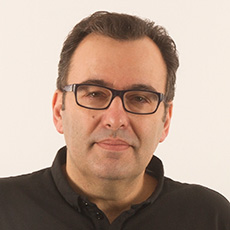
Javier Pérez
| More information C.V. |
| More information |
Curriculum Vitae
- Title of Technician Specialist in Dental Prosthesis. School Santa Apolonia Santiago de Compostela.
- Director of the Dental Technical Laboratory Studio VP SL. Specialized in prostheses on implants and aesthetics.
- Collegiate 219 of the Professional Association of Prosthetics of Galicia.
- Collaborator of the Master of Periodontics and Implants Faculty of Dentistry. University of Santiago de Compostela.
- International ORAL DESIGN CENTER Galicia.
- Member of DENTAL EXCELLENCE LABORATORY GROUP.
- FELLOW ITI. International Team for Implantology.
- Participant in several research projects related to implantology and ceramics.
- Author of articles in the field of implantology and aesthetics
WORKING PROTOCOLS IN THE DIGITAL ERA
The CAD-CAM technology in the laboratory, as well as the
increasingly frequent incorporation of intraoral scanners,
does not lead to the development of new protocols and
workflows between the clinical-laboratory.
We will analyze the planning and digital waxing, the
anatomical design in different materials for future monolithic
structures as well as the use of 3d printing techniques,
integrating all this in cases of high aesthetic demand in
which we will take advantage of the advantages offered by
the incorporation of these technologies as well as what are
the current limitations with which we are and that will lead us
to have to combine in many cases the digital and
traditional flow to optimize the results of our treatments
Jesús Creagh
| More information C.V. |
| More information |
Curriculum Vitae
Dr. Jesús Creagh graduated in Dentistry in 2000 at the University of Seville. Since then, he has received extensive multidisciplinary training, specializing in orthodontics, occlusion, surgery, prosthetics, aesthetics and DSD.
He is currently director of Dentoral Centros Odontológicos, director of the University Expert Title in Design of Smiles, Photography and Video (of the UCAM). Co-founder of Dental Photography Academy and Opinion Leader of DSD with Christian Coachman.
He is also a collaborating professor of various university postgraduate degrees from different universities as well as numerous professional associations.
-Speaker of numerous courses and conferences at national and international level in prosthesis, implants, photography, design of smiles, aesthetics, orthodontics, periodontics and whitening.
Latest advances in dentistry guided by the DSD (Digital Smile Design)
The dental world, industry and consumer habits are changing. We have to be prepared for this future by improving the effectiveness of our treatments and differentiating ourselves from the rest.
Concepts such as emotional dentistry, facially generated 3d treatment plan, digital smile design, multidisciplinary digital dentistry, team digital communication, smile simulation, digital clone, guided dentistry, orthodontics and digital surgery guided by smile design, smile donor , technique "first fit", 3D printed technology, clinical strategies for intraoral scanners, ... are the key that will allow us to be more competitive, create differentiation and allow more efficiency in our treatments.
Understanding how we can take these contents to reality and offer these benefits to our patients is crucial, hence the path we take to start incorporating these protocols, should be phased and gradual.
Joao Ramos
| More information C.V. |
| More information |
Curriculum Vitae
- Licentiate in Medicine Dentaria by the Faculty of Medicine of the University of Coimbra (FMUC);
- Order of Dentist Doctors (OMD No. 854);
- Clinical Director of the Sprain Dentistry Clinic;
- Doctorate in Health Sciences from the FMUC - Faculty of Medicine of the University of Coimbra;
- Assistant Professor of the Integrated Master in Dentistry Medicine of the FMUC - Faculty of Medicine of the University of Coimbra;
- Author and editor of several national publications;
- Member of the editorial body, scientist or reviewer of several scientific journals;
- Author and co-author of various national and international articles;
- Winner of notorious awards in scientific works and / or socio-professional recognition.
Pending
Joaquín García
| More information C.V. |
| More information |
Curriculum Vitae
- Vocational training Dental technician.
- Development of training in the Dental Laboratory of Christian Wolfgang. Austria. (1989-1991).
- He continues his training in courses of dental technicians such as Roberto Schwab, Klaus Muterthies, Asami Tanaka, Willi Geller, Michael Brusch, Claude Sieber, Michael Magne, August Bruguera, Manuel Oliver, Sacha Hein.
- Private practice since 1991 as technical director of the Ortodentis dental laboratory.
- Specialist in graphic design. Founding member of the CAD-OZOONO-CAM Group.
- Founding Member of the FRESDENTAL Mechanization Center Official Collaborator of GC IBERICA Positions Teaching staff Associate Professor Master in Aesthetic Dentistry. Complutense University of Madrid, Spain.
- Associate Professor Master in Implantology. European University of Madrid, Spain. International Professor of the University Institute of Prosthesis and Dental Engineering.
Pending
Jon Gurrea
| More information C.V. |
| More information |
Curriculum Vitae
- Degree in Dentistry from the University Alfonso X el Sabio (2002)
- Advanced International Program in Periodontics, New York University College of Dentistry (2003-2005)
- Clinical Assistant Fellow in Periodontics, New York University College of Dentistry (2004-2005) Professor of the Master of Oral Implantology at the University Alfonso X el Sabio (2007-2008)
- Professor of the Master's Degree in Oral Implantology at the European University of Madrid.
- Dr. Gurrea focuses his clinical practice on aesthetic oral rehabilitation with special emphasis on minimally invasive and multidisciplinary dentistry.
- He has published articles in national and international journals such as the European Journal of Esthetic Dentistry, the Journal of Cosmetic Dentistry, the International Journal of Esthetic Dentistry or Quintessence of dental technology.
- Speaker at national and international conferences mainly on multidisciplinary and aesthetic dentistry.
- He maintains a full-time private practice at "Clínica Dental Campuzano" in Bilbao.
Empathy. How the dentist can make the technician's life easier and viceversa
Description: Success depends strongly on making our counterparts easier. By understanding the dentists' and technicians' needs we will improve our results. Dentists have to provide clear-cut information to the technicians. This selection of information requires good pictures, good functional records and good colour and material understanding. By doing this, the telephone is seldom used and cases usually run smoothly.
Objectives: Provide the dentists and technicians a clear idea of the most valuable information we have to use, emphasising what is critical. Explain simple methods of improving the dentist/technician communication with better records. Explain how improved preparation by understanding the material will provide the space that the technicians need. Understanding how to take advantage of the ceramic materials.
Jose Espona
| More information C.V. |
| More information |
Curriculum Vitae
- Degree in Dentistry, Univesidat Internacional de Catalunya
- Master in Dental Aesthetics, Univesidat Internacional de Catalunya Official
- Master's Degree in Biomaterials, Universidat Internacional de Catalunya
- Master in Periodontics and Implants, Nova Southeastern University
- Private practice in Barcelona
- Associate Professor in Anatomy and Dental Function, Pathology and Dental Therapeutics, Universidat Internacional de Catalunya
- Associate professor in the masters of Periodontics and Aesthetic Rehabilitation, Universidat Internacional de Catalunya
- Associate Professor at the University of San Carlos de Guatemala
Pending
José Manuel Navarro Alonso
Jose María Suárez
| More information C.V. |
| More information |
Curriculum Vitae
- Bachelor of Medicine and Surgery. Oviedo University.
- Doctor in Medicine and Surgery. Oviedo University.
- Specialist in Stomatology. Oviedo University.
- Scholarship in Prosthodontics University of Washington, Seattle
- Master's Degree in Clinical Dentistry in Prosthodontics. University of London. College of the King.
- Master in Operative and Dental Aesthetics. International University of Catalonia.
- Professor of the Master of Periodontics at the University of Oviedo.
- Visiting Professor of the Master of Aesthetics at the International University of Catalonia.
- Author and co-author of articles recently published in national and international journals.
- Director of the Dawson Academy in Spain.
- Private practice in Oviedo dedicated to dental prosthetics and aesthetics.
The occlusion, an inseparable ally of aesthetics in the minimally invasive rehabilitation of advanced dental wear.
More and more frequently patients with dental wear who simply demand an aesthetic improvement through conservative procedures without being aware of the existence of underlying functional problems, but which could complicate the treatment if they are ignored by the restorative dentist, come to our consultations.
Although currently the evolution of adhesive techniques and dental materials allows the aesthetic and functional rehabilitation of tooth structure lost from a minimally invasive perspective, changes in occlusion, experienced as a result of such wear, should be considered. consideration. Therefore, in addition to knowing the bases of the adhesion, the indications of the different restorative materials and the design of a new smile, it is fundamental to take into consideration those basic principles that will allow the restoration of a new occlusal scheme in this type of clinical situations.
The objective of our presentation will be to show a protocol
Simplified, based on evidence, which will create a new occlusal scheme that contributes to a better distribution of forces on this type of minimally invasive restorations.
Juan Golobart
| More information C.V. |
| More information |
Curriculum Vitae
- Dental technician by the Official Col.legi de Pròtesics dentals de Catalunya nº 1143
- First years of practice as a fellow in the laboratory of Dr. Pedro Planas and Dr. Joan Salsench
- Creates its own ODONTECNIC laboratory in 1988
- It develops the sections of Orthodontics, removable and fixed prosthesis.
- In 1993, he attended his first implantology course in Burgos.
- Thereafter, he implanted the Implantology section.
- He has attended multiple national and international courses
- He has taught courses in Orthodontics, Combined Prosthesis, Apparatus for Apnea, Implantology both nationally and internationally. Collaborating with companies such as Mozo Grau, Core3d, Straumann, Astratech, Dolphin or Orthoapnea.
- These courses have been developed in Dental Prosthetics Schools, the Col.legi d'Odontolegs i Estomatolegs de Catalunya, Congresso Ordem two medical dentists, Congress of the European Orthodontic Society, FDI World Dental Federation or Societat Catalana D'Odontoestomatologia, SEPA Spanish Society of Periodontics and Osseointegration.
- He also collaborates constantly with both the Faculty of Dentistry of the University of Barcelona and the International University of Catalonia, either participating in courses or teaching classes.
- Since 1999 he specializes in CAD AM technology which leads him to develop the product of the houses Core3D (Avinent), Atlantis (Astratech), ArchimedesPro (Klockner) 3Shape (Software).
- In his laboratory Odontecnic is currently working on CAD-CAM processes in all areas: Fixed prosthesis, cosmetic prosthesis, prosthesis on implants, smile design, planning and manufacturing of surgical guides for implants, surgical splints for orthognathic surgery, own system of alienators , etc.
- Great dominator of the TRIOS and TRIOS3 intraoral scanners from 3shape and their clinical efficiency.
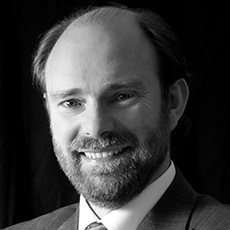
100% Digital Workflow: Our daily practice in the dental office
In recent years we have transformed our clinical analog system to 100% digital flow, in all areas of dentistry, from simple restoration to complex rehabilitation
Juan Manuel Liñares
| More information C.V. |
| More information |
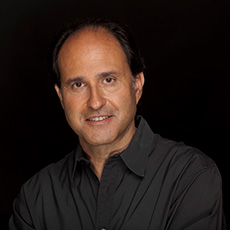
Curriculum Vitae
- Degree in Medicine and Surgery. University of Santiago de Compostela. 1984.
- Degree in Dentistry. University of Santiago de Compostela. 1991
- Doctor in Medicine and Surgery. University of Santiago de Compostela. nineteen ninety six.
- Associate Professor of Pathology and Dental Therapeutics. School of Dentistry. University of Santiago de Compostela, from 1991 to 2001.
- Professor of the Master of "Dental Therapeutics: Great Reconstructions, Dental Aesthetics. Endodontics ", from the University of Santiago de Compostela from 1995 to 2001.
- President of the Scientific Commission of the Official College of Dentists and Stomatologists of the Xth Region from 1995 to 2007.
- Vice President of the College of Dentists and Stomatologists of La Coruña from 2003 to 2007.
- Postgraduate training at: School of Dentistry (Louisiana State University, New Orleans, USA); The Center for Esthetic Excellence (Chicago, Illinois, USA); Faculté de Médicine, Section of Médicine Dentaire (Université de Genève, Geneva, Switzerland), College of Dentistry, New York Univesity (USA).
- Clinical stays in Italy, Switzerland, France, Germany, Brazil and USA.
- "SEOC to the best communication on endodontic technique" award. 1996 and 2000. Prize Maimónides granted by the Clinicae Gingiva in 1996. Prize Course of the Year 2008 of the Illustrious Official College of Dentists and Stomatologists of Aragon.
- Full member of the Spanish Association of Endodontics, of the Spanish Society of Conservative Dentistry. Member of other Scientific Societies: SEMO, SEPA, SECIB, SEPES, ...
- Speaker of courses, conferences and communications in National and International Congresses.
- Author of the book "Surgical Endodontics" and various publications in National and Foreign Journals.
- Private practice in La Coruña (Spain).
Pendiente
Juli Martinez
| More information C.V. |
| More information |
Curriculum Vitae
- Graduate in medicine and surgery. Central University of Barcelona. 1982
- Specialist degree in Stomatology from the Central University of Barcelona. 1985
- Exclusive dedication to the Prosthesis since 1991.
- Member of the Spanish Society of Stomatological and Aesthetic Prostheses (SEPES).
- External teaching collaborator in Master of More, Universitat Internacional de Catalunya.
- Speaker in numerous courses and conferences.
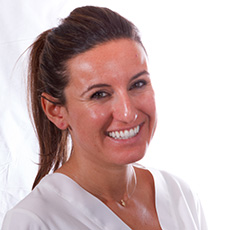
Rehabilitations on implants: When is it necessary to use pink ceramic?
Implant restorations are complex treatments, whether they are unitary or in full arches. In patients with edentulous teeth, before performing the extractions and placing implants, we must make a good diagnosis and decide if, prior to extraction, we can use these pillars to improve the clinical situation with treatment such as orthodontics, root modification, grafting connective or coronary lengthening. Also, we must decide what type of prosthesis is best suited for each patient before starting treatment; this will determine the three-dimensional placement of the implants.
During the presentation the concept PET (pre-extraction treatment), Digital Design of structures on implants combining aesthetics and occlusion will be exposed, and the different materials that can be used today will be reviewed.
Marta Pla
| More information C.V. |
| More information |
Currículum Vitae
Professional experience
Private practice at Rafael Pla dental clinic. (Albacete) (2011-2012) (2014-present)
Specialty: Restorative and Aesthetic Dentistry.
Academic background.
Degree in Dentistry.
University San Pablo CEU. (Madrid) (2006-2011)
Master's Degree in Restorative and Aesthetic Dentistry.
International University of Catalonia. (Barcelona) (2012-2014)
Further training
Continuous attendance to conferences, courses and conferences of national and international scope.
Postgraduate Modular Course in Prosthetics. Director Ernest Mallat.
Catalan Society of Dentistry and Stomatology. (Barcelona) (2014-2015)
Theoretical-practical masterclass "options for the ultraconservative aesthetic treatment".
Taught by Pascal Magne. (Madrid) (2016)
Theoretical-practical course "morphological and aesthetic reconstruction of a central incisor and a superior molar".
Taught Newton Fahl. (Madrid) (2016)
Theoretical-practical masterclass lasting 4 days "anterior and posterior aesthetic restorations with composite".
Taught by Ronaldo Hirata. (Madrid) (2017)
Course "immersion in minimally invasive restorations".
Taught by Sydney Kina and August Bruguera. (Madrid) (2017)
Masterclass "isolation of the operative field with rubber dam and restorative dentistry".
Taught by Tomas Taha. (London) (2018)
Theoretical-practical course BOPT technique lasting 3 days.
Taught by Xavier Vela and Xavier Rodríguez. (Barcelona) (2018)
Speaker
Best clinical oral communication award SEPES. (Oviedo) (2013)
Speaker SEPES values "how to get the maximum function with the minimum preparation: advantages of adhesive dentistry". (Madrid) (2019)
Societies
Member of the Spanish Society of Prosthetics and Aesthetics.
Member of the association of dental clinics Best Quality Dental Centers.
Others
User CEREC System. (2011-present)
Accreditation Course to Manage Dental Radiodiagnosis Facilities.
PHYSICAL (Albacete) (2014)
Basic life support course for health professionals. (SEMES, Spanish Society of Medicine of Emergencies and Emergencies) (Albacete) (2018)
Collaborator 2 days a month in the clinic Odontología Solidaria de Albacete. (2016-Present)
CERAMIC OR COMPOSITE RESTORATIONS: SELECTION CRITERIA
Nowadays, great importance is given to the personal image, which is irremediably linked to a natural and attractive smile.
This has caused a notable increase in the demand for aesthetic treatments in our practices.
Dental esthetics and long-term stable and long-lasting results are closely linked to indirect restorations of ceramics, such as veneers and crowns. However, the new materials available from composite resins challenge this assumption, because they offer an excellent aesthetic result, predictable and stable in the long term, with the main advantage that no prior dental preparation is needed.
The challenge today is when deciding which material is the best when it comes to restoring these patients.
Milko Villarroell
| More information C.V. |
| More information |
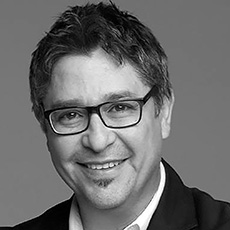
Currículum Vitae
• PhD in Restorative Dentistry by the São Paulo State University - Brazil.
• Master of Science in Integrated Clinic by the University of Ponta Grossa - Brazil.
• Dental Surgeon from the University of Valparaiso - Chile.
• Graduated in Implant Rehabilitation at the IEO - Brazil.
• Guest Professor of the University of Louisiana Prosthetics Department - USA.
• Invited professor of the Department of Implantology UNAM - Mexico.
• Scientific Director of Curitiba Dental Training - Brazil.
• Member of the Brazilian Society of Aesthetic Dentistry SBOE.
• Scientific consultant of the Dental Press Magazine of Aesthetics.
• Co-author of the book Aesthetic Dentistry: The State of the Art, Brazil (2005).
• Co-author of the book Odontología Integral Actualizada (2006).
• Co-author of the book PRO-ODONTO: Aesthetics - update program in Aesthetic Dentistry (2007).
• Co-author of the book Dentística: Um abordagem multidisciplinar (2014).
• Private practice in Curitiba - Brazil, the focus of its clinical activities is dedicated to aesthetic restorations, rehabilitation, periodontics and implants.
Ceramic solutions in oral rehabilitation of teeth and implants.
The different all ceramic systems were designed to satisfy the demands of specific restorative indications and must be selected according to the needs of each clinical case. This selection must be made very carefully, taking into consideration the mechanical properties of the material as well as a variety of clinical aspects such as the region to be restored, type of cementation, dental preparation, esthetic aspects, and laboratory technique. The dental market offers a great range of new ceramic materials for the fabrication of dental restorations, which brings new options but also generates new questions about which system to choose.
Nicolás Gutiérrez
| More information C.V. |
| More information |
Curriculum Vitae
- Degree in Dentistry from the Pontificia Universidad Javeriana de Bogotá in 1993.
- Private practice in Madrid with more than 10 years of experience in digital flow.
- Associated Fellow of the American Academy of Implant Dentistry Washington DC 2012.
- Director DOAACADEMY courses in digital dentistry since 2015.
- Associate Professor International University of Catalonia UIC since 2017.
BIO MIMÉTICA RESTORATIONS IN THE DIGITAL AGE Myths and realities
The digitalization of dentistry has been one of the most important changes in the exercise of our professional activity. The outlook that we find in the present and immediate future supposes the appearance of several CAD / CAM systems, as well as new materials and concepts that we must understand in order to adapt to new technologies.
1- Importance and complexity of intra-oral scanning: isolation, scan path, stl mesh quality, preparations adapted to the CAD / CAM flow.
2- Possibilities and limitations in digital CAD / CAM design: digital waxing, margin delimitation, milling strategies, minimum thicknesses vs. materials.
3- Materials with functional gradient FGM a new approach in biomimetic restorations on teeth and implants.
4- Digital chair-side protocol in large rehabilitations.

Norberto Manzanares
| More information C.V. |
| More information |
Curriculum Vitae
- Bachelor of Medicine and Surgery from the University of Barcelona.
- Degree in Dentistry from the University of Barcelona.
- Professor of the Master and postgraduate program in oral prosthesis and implantology at the University of Barcelona from 2007 to the present.
- Co-director of the Master in Implantology and oral rehabilitation of the Alcalá de Henares University.
- Professor of the International Academy of Integral Dentistry.
- Postgraduate in Implantology and oral rehabilitation by the University of New York, College of Dentistry.
- Certificate of the European Jury for Implantology and Oral Rehabilitation.
- Founding member of the International Academy of Implantology and Perodontics. [A.I.I.P.]
- Full member of the Spanish Society of Implants.
- Diploma from the Spanish Society of Implants.
- Member of the European Union of Clinicians in Implant Dentistry [E.U.C.I.D.]
- Obtaining the Fellowship granted by the [I.C.O.I.]
Peri-implant stability as a life insurance for our restorations: the “less is more” concept.
Implantology is immersed in a series of biological, surgical and prosthodontic factors that will directly influence the final result of the treatment.
In this presentation the authors intend to review these factors, since their correct use will facilitate that in a simpler way (concept less, it is more) we can obtain better results both at bone level and soft tissues. Similarly, the choice of the implant, the type of connection, the emergence of our prosthesis and the correct use of the biomaterial of bone regeneration or conservation, will be of vital importance in the stability of the tissues in the short and long term.
Pablo Pavón
| More information C.V. |
| More information |
Degree in Dentistry from the University of Seville (2004).
Collaborating professor in the Master of Periodontics and Implants of the University of Seville.
Collaborating professor in the Diploma of Specialization in Implant Prosthesis at the University of Seville.
Collaborating professor in the Master of Advanced Periodontics at the European University of Madrid.
Collaborating professor in the Master of Implants of the CEU Cardelan Herrera University.
Prize awarded to the best Poster in Sepes 2011.
Active member of SEPES, collaborating in several national magazines and conferences.
Focused on Implantology and Prosthodontics of the previous sector, especially in guided surgery, soft tissue management, and everything related to excellence.
Exclusive clinical practice in Prosthetics and Implants in Seville and Valencia.
Keys for a predictable implant-supported prosthetic treatment in the aesthetic region.
Managing an area as demanding as the previous sector is critical. Today we know that being minimally invasive, precise and conservative during the surgical phase plays a crucial role in the maintenance of soft tissue in the anterior sector and therefore in the final result of our restoration.
Guided surgery, along with the modelling and / or preservation of the gingival contour through a provisional, are tools that allow us to carry out a thorough planning of the case, achieve long-term tissue stability and thus achieve the aesthetic excellence that we pursue so that Our final prosthetic restoration looks like a natural tooth.
Pablo Ramirez
| More information C.V. |
| More information |
Curriculum Vitae
- Dental Degree at Universidad Europea de Madrid (UEM)
- Postgraduate in Implantology and Oral Rehabilitation at European University of Madrid
- Post Graduate in Prosthetics at New York University ( NYU )
- Part Time Fellowship in Prosthodontist Department at ( NYU )
- Post Graduate in Periodontology and Implantology at ( NYU )
- DSD Instructor
- Faculty at Implant Program of European University of Madrid
- Affiliate Member de la European Academy of Esthetic Dentistry
- Past Vice President Of Canary Islands Dental Council
- Private Practice at Clínica Ramírez ( Gran Canaria )
Analog and Digital Concepts in Interdisciplinary Cases
The communication between clinicians of different specialties has changed in recent years, with a great improvement in this regard. Today, there are different tools and technology that help us interact and share between the different clinical, laboratory and patient work teams.
During the presentation, we will review the different workflows in interdisciplinary cases, the integration of 3D printing in daily clinical practice and the analog, digital and biological bases for predictable results
Patricia Gatón
| More information C.V. |
| More information |
Curriculum Vitae
- Doctor in Dentistry, Universitat Internacional de Catalunya.
- Postgraduate in Aesthetic Dentistry University of Barcelona.
- Associate Professor at the University of Barcelona
- Coordinator of the subject of Multidisciplinary Dentistry of Minimal intervention University of Barcelona.
- Postgraduate professor at the University of Sau Paulo Brazil.
- Studying Post-Doctorate Studies at the University of Sau Paulo Brazil.
- Co-director of MITDental Barcelona (Minimally invasive and dental traumatology center).
- Member of the European Board of Minimally Invasive Dentistry
- Assiduous student of courses on dental materials, Esthetic Dentistry and Minimum Intervention.
Bio-active materials: Trend or reality?
In recent years in the rehabilitation and prosthetic treatments in dentistry, good planning has gained importance in order to achieve predictable treatments, with high requirements at the level of function, aesthetics and long-term stability. Moving to the digital world seems necessary on that path. although we think that evolution at the technical and technological level must go hand in hand with advances at the biological level. In surgery and implantology, when we consider it necessary, we do not hesitate to use bioactive materials that help us regenerate tissues and thus achieve success in treatments.
Recently new materials for restoration and cements appear on the market that help, stimulate or provoke a specific biological response and although it seems a good idea, changing our protocols does not seem so.
How do these materials work? Is there scientific evidence that supports their use? Are they a valid option now or should we wait for them to evolve further?
All these issues are what we will address in this conference.
We ask ourselves the same questions as any general practitioner or specialist and try to get answers, understand what are the changes in the protocols that are feasible and that will benefit us. Because it is worth replacing some bio-inert materials, and introducing others that do have a certain regenerative effect on the remaining tissue and help balance the pH in the oral environment.
Paulo Monteiro
| More information C.V. |
| More information |
Curriculum Vitae
Dr. Paulo Monteiro’s passion for esthetic dentistry began when he attended the last year of the Dental Medicine course in 1998 at the Institute of Health Sciences Egas Moniz in Portugal. In 2005, Dr. Paulo Monteiro completed his specialization in Esthetic and Restorative Dentistry at the ISCSEM, Lisbon, Portugal. In 2010, Dr. Paulo Monteiro finished a Master’s degree in Dental Medicine and is currently taking a PhD in Dentistry at Universidade de Santiago de Compostela, Spain.
Dr. Paulo Monteiro has taken the International Professional Course of CAD/CAM technology in Restorative Dentistry, at the University of Zurich in 2008. Presently, he is an Assistant Professor at ISCSEM, for the Aesthetic and Restorative Dentistry Post-graduation program and for the Oral Rehabilitation Department at ISCSEM. In parallel, he is the head of Clinical Aesthetic Dentistry advanced consultation at ISCSEM, the head of Operative Dentistry Technology Training Course for Dental Assistants and the head of Intra-Oral Photography Technology Training Course for Dental Assistants in Egas Moniz, Lisbon, Portugal.
Dr. Paulo Monteiro is also involved in research of new dental materials, including composite resins, dental adhesives, dental ceramics and new technologies. He is an active member of the International Association for Dental Research, and regularly presents research in the dental materials field. He is author and co-author of some publications in scientific international journals. and lecturer in national and international courses and congresses in aesthetic dentistry. In his private practice, he devotes himself exclusively to aesthetic dentistry.
Essential styleitaliano dentistry x daily success in the practice.
Pietro Felice
| More information C.V. |
| More information |
Curriculum Vitae
Dr Pietro Felice graduated in Dentistry and subsequently in Medicine at the University of Bologna. He completed his research doctorate in Dermatological, Maxillofacial and Plastic Reconstructive Sciences. He is currently Assistant Professor of Dental Sciences at Bologna University lecturing in Implant Surgery in the Degree Course in Dentistry and Dental Prostheses. Dr Felice has published many articles in international peer-reviewed journals and serves on the editorial board of specialist international journals and on the Cochrane Collaboration. He is a member of leading Italian and international associations of implantology and dental surgery.
A new concept on implant neck design and peri-implant health
The maintenance of peri-implant marginal bone levels along with soft tissue stability is an
important factor to long-term functional and esthetic outcomes of implant-supported
rehabilitations. Many factors have been advocated to explain marginal bone resorption
around a healthy osseointegrated implant. Implant neck morphology has been widely
investigated in order to find designs that would promote bone ingrowth or limit bone loss
and favour the creation of a steady mucosal seal.
Recently, one-piece implants have been introduced with a novel neck design, in which
the transmucosal component has a narrower diameter than the implant body and a
concave smooth surface meant promoting soft and hard tissue creeping and the
formation of a thick mucosal layer. With respect to traditional flared implant necks, this
new design seems to provide more space for soft tissues ingrowth, and a bone
overgrowth and preservation seems to be promoted.
Dr Pietro Felice graduated in Dentistry and subsequently in Medicine at the University of
Bologna. He completed his research doctorate in Dermatological, Maxillofacial and
Plastic Reconstructive Sciences. He is currently Assistant Professor of Dental Sciences at
Bologna University lecturing in Implant Surgery in the Degree Course in Dentistry and
Dental Prostheses. Dr Felice has published many articles in international peer-reviewed
journals and serves on the editorial board of specialist international journals and on the
Cochrane Collaboration. He is a member of leading Italian and international associations
of implantology and dental surgery.
Ramón Asensio
| More information C.V. |
| More information |
Curriculum Vitae
- He has a degree in Dentistry by Alfonso X the Wise University.
- Master's Degree in Operative and Dental Aesthetics by the University International of Catalonia.
- Master in Interdisciplinary Rehabilitation Advanced Aesthetics by the International University of Catalonia.
- Private practice limited to restorative dentistry in Madrid, Toledo and Barcelona.
Pending
Ramón García
| More information C.V. |
| More information |
Currículum Vitae
- Degree in Dentistry from the Complutense University of Madrid
- Master in oral prosthesis and Implantoprótesis by the Complutense University of Madrid
- Specialist in Aesthetic Dentistry from the Complutense University of Madrid
- Co-director of the basic and advanced continuing education program of the Complutense University of Madrid
- Assistant professor of the postgraduate program in Aesthetic Dentistry (UCM)
- Author of scientific articles in dental journals of national and international character
- Speaker at Aesthetic and Restorative Dentistry conferences nationwide
Optimal esthetics in a digital era. Is possible?
Dental clinician-Dental technician collaboration is increasingly more important in digital procedures. Nowadays we want more efficient CAD/CAM treatments with better quality results,looking for reliability, reproductibility and standardization.The questions are if these procedures can be integrated in the daily practice, which are the limits and the possibilites and if we are prepared to asume in an intelligent and reasonable way the advantages and disadvantages of these
techniques.
“man made” versus “machine made”. Although the CAD/CAM manufacture and the software can help us a lot, the specialist, the human being is still indispensable. The last technologies need the creativity, the esthetic sensitivity and the capability of integration to achieve excellent works. Not everything can be digital, but many steps can be. The clue is to combine both procedures, to extract from each of them the most positive aspects and integrate them later. We´ll deal with these interesting ítems during our lecture.
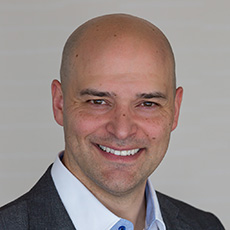
Ramón Gómez
| More information C.V. |
| More information |
Currículum Vitae
- Degree in Dentistry from the University of Santiago de Compostela.
- Master in Temporomandibular Occlusion and Dysfunction
- Postgraduate in Periodontics and Implantology
- Private consultation in Ponferrada (León) since 2001.
- International speaker on Periodontics, Implantology, Esthetics and multidisciplinary treatments.
Multidisciplinary management for the resolution of complex prosthodontic cases
In a society where aesthetics reaches everywhere, the aesthetics of the smile is increasingly relevant in the lives of our patients. The dentist no longer only repairs damaged structures like years ago.
In this sense, the rehabilitation of complex cases is a challenge where many techniques and disciplines are combined. And more and more patients in need of retreatment go to our clinics. In these patients, treatment planning is not easy and implementation is not always predictable.
In this presentation we will show the main risk factors to consider in the rehabilitation of complex cases, how to plan the sequence of treatment, as well as the surgical and prosthodontic approach to the clinical management of these patients.
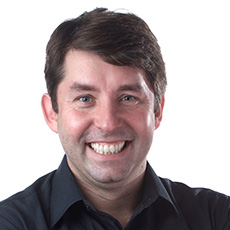
Raphael Monte
| More information C.V. |
| More information |
Currículum Vitae
- Dental surgeon graduated from the University of Nova Friburgo, Brazil
- Associate Professor of Integral Clinic at the Fluminense Federal University, RJ, Brazil
- Specialist in Restorative Odontology and Oral Rehabilitation
- Magister in Dentistry with Mention in Integrated Clinic
- Doctor in Restorative Dentistry - University of the State of Rio de Janeiro, Brazil
- Pós Doctor in Odontolgia - Federal University of the Amazon
- National and International Speaker
- Author of the book "Anterior aesthetic rehabilitation: the step by step of the clinical routine"
Previous aesthetic rehabilitation: The step by step of the clinical routine
Aesthetic principles applied to previous rehabilitation. Characteristics and preparation techniques for veneers: darkened teeth, and multiple veneers. When and how should I do carving. Provisional restorations with bis-acrylic resins. Simplify and optimize printing. Adjustments and adhesive cementation.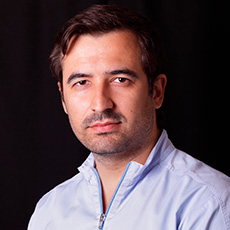
Roberto Padrós
| More information C.V. |
| More information |
Currículum Vitae
- Master Program in Fixed Prosthodontics taught by Dr. Mauro Fradeani
- Digital Smile Design course taught by Dr. Christian Coachman and Dr. Andrea Ricci
- Bone and Tissue Day course
- Photography course taught by Dr. Daniel Capello
- Occlusion course and TSCAN taught by Dr. Armando Badet
- Full Immersion in Prosthodontics course taught by Dr. Andrea Ricci
- Course of Photo and Video Course taught by Dr. Andrea Ricci
- Advanced Course of Ceramic Restorations taught by Dr. Milko Villaroel
- Predictable Aesthetics and Longevity with Bonded Course Porcelain Restorations taught by Dr. Pascal Magne and Michel Magne
- Course on Stratified direct restorations in the anterior and posterior sector taught by Dr. Javier Tapia
- Course Protocols of Surgery and Predictable Charges taught by Dr. Aritza Brizuela
- The International Congress of Oral Implantologists (ICOI)
- International Congress of Oral implantologists (ICOI), Las Vegas
- Master of Specialization in Aesthetics and Oral Rehabilitation
- Director of Radiodiagnosis Facilities
- Presentation of a communication 40th annual meeting
- Poster presentation at the 9th Congress of Catalan Odonto-stomatology
- III Implantology Symposium
- Dentistry Degree
Experience - Exclusive private practice in aesthetics and oral rehabilitation.
- Secretary of the Research Chair "Klockner Implant System" of the Polytechnic University of Catalonia.
- Associate professor at the Barcelona Dental Institute.
- Visiting Professor of CEROM.
- Visiting Professor of the Master of Periodontics and Implants University of Seville.
- Director of Barcelona Dental Institute by Padrós.
- Clinical Scientific Director of Soadco, SL.
- Visiting professor of 32 Senses.
- Co-Director of the Master of Aesthetics and Rehabilitation of the Polytechnic University of Catalonia.
- Professor in charge of the prosthetics area at the Universitat de les Valls.
- Author of national and international publications and conferences.
Surgery VS Prosthesis
Esthetic proportions of the pink area, related to white aesthetics explaining the mathematical proportions, to achieve that basic and fundamental balance in the frame of the smile. Deciding which of the two roads we opted for, surgery or prosthesis. We will show cases where these proportions are respected and cases where they are not, in order to demonstrate the importance of such proportions. We talk about techniques that we use on a day-to-day basis, in the clinic and in the laboratory, to transmit information better, especially in pink aesthetics.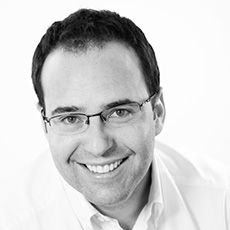
Vicente Berbis
| More information C.V. |
| More information |
Curriculum Vitae
Co-Director. CV Restorative Dentistry, Oral and Aesthetic Rehabilitation. Graduated in Dentistry from the Universitat de València, in 2001 he moved to Barcelona, where he obtained the Diploma of Advanced Studies in Dentistry at the University of Barcelona and was trained in Oral Rehabilitation with Dr. P. Harster, one of the parents of the Prosthodontics in our country. Member of the Faculty of the Institut Universitari Dexeus for nine years, in the Stomatology Service of said hospital. Advanced Dental Aesthetic Training with Dr. Mankoo in Windsor (United Kingdom). During his years of profession he has collaborated as Professor of Continuing Education of the General Council of Dentists, the Spanish Society of Stomatological Prostheses, the University of Seville, the International University of Catalonia, the University of Almeria and the Academic of Medical Sciences of Catalonia and the Balearic Islands . He has given numerous conferences on Aesthetic Dentistry and Oral Rehabilitation in various national congresses. He was twice awarded the SEPES Prize for the best Clinical Oral Communication in 2002 and 2008. He is a member of the Catalan Society of Odonto-stomatology, of the Academy of Medical Sciences of Catalonia and the Balearic Islands, of the Spanish Society of Stomatological and Aesthetic Prostheses , and Afiliate Member of the European Academy of Esthetic Dentistry.
Dental rejuvenation: anatomical reconstruction, functional restitution and aesthetic improvement.
No dental treatment should have the responsibility to remain unchanged in its structure, its aesthetics or in its relationship with the hard and soft tissues of the mouth, indefinitely over time. Although this is our desire, we know that this does not happen in most cases, if not in any, not always for deterioration of the work done, also by the variation in oral conditions. Thus, the object of our treatment could be redefined, so that we had the expectation of providing treatments that have a behaviour over time, functional and aesthetically similar to natural dentition, and that allow to prolong in time, as much as possible, the conditions of function and aesthetics that this natural dentition provides us. If we consider deciduous dentition as the first dentition, the definitive dentition as the second dentition, and the prosthetic substitution by means of implants and crowns or total prosthetics such as the "third dentition", our goal must be to postpone this "third dentition" as much as it is possible, and to make the "second dentition" look aesthetically integrated in the whole of the face and provide a comfortable function and in the absence of active pathology, alleviating if necessary the aesthetic sequelae of periodontal and functional problems. During the presentation the guidelines for the reconstructive approach of the dentition will be established, functionally and aesthetically, combining more artisan analog techniques and with cad-cam technology, under the same criterion and objective of dental rejuvenation.
Vicente Lozano
| More information C.V. |
| More information |
Curriculum Vitae
- Stomatologist - prosthodontist
- Medical Director of Dentaloffice
- Number of Collegiate 689
- Doctor in medicine and surgery at the University of Barcelona.
- Stomatologist medical doctor from the University of Barcelona.
- Professor of dentistry at the University of Barcelona (Bellvitge campus).
- Endodontics Master from the University of Barcelona.
- Master's degree in environmental management from the Universidad Complutense de Madrid.
Pending
Walter Devoto
| More information C.V. |
| More information |
Curriculum Vitae
I am a professional son of Samuele Valerio who thought me once… Nature, aesthetics, cosmetics, conservation are the same thing… dentistry.
In my private practice in Sestri Levante, near the ligurian sea I have learnt how to make wonderful denstistry in wondelful people, just putting passion in every little thing.
After my dental training in Genova I have had the opportunity to travel around Italy and the world lecturing and training dentists in Aesthetic and Conservative Dentistry.
Passion for composite has given me the opportunity of being a teacher in conservative dentistry in Genova and Madrid. And in the present time a Proffesor in Siena (Siena University), Marsella (Universiè de la Mediterranèe) and Barcelona (Universitat Internacional de Catalunya).
Author and co-author of several publications in scientific international journals, lecturer in national and international courses and congresses on this subject. Lecturer and trainer in the most important european universities (Paris, Nice, Geneve, Varsavia, S. Pietroburgo, Prague, Salonicco).
Essential styleitaliano dentistry x daily success in the practice.

Xavier Rodríguez
| More information C.V. |
| More information |
Curriculum Vitae
Bachelor of Medicine (1992), specialist in Oral and Maxillofacial Surgery (2000) and Doctor cum laude in
Medicine and Surgery (2005) for the Autonomous University of Barcelona (UAB). Private practice in
CambraClínic & Associates, (Barcelona 2007 -) and Esthetic Bcn (2014 -)
As co-founder and head of research of the implantology study group BORG since 2005, he has participated
in numerous high-impact articles on aesthetics and multidisciplinary oral rehabilitation, as well as studies
collaborating with universities in Barcelona, Madrid, Kyoto, Torino, New York and Murcia. He has lectured
about aesthetic dentistry around the world, highlighting the International Symposium on Oral Implantology
(Mexico DF, IOIS 2013), the Japanese Research and Technology Forum (Osaka, JRTF 2014) or the Italian
Academy di Odontoiatria Prosthetic (Bologna, AIOP 2015) among many others.
He was Secretary of the Catalan-Balearic Society of Oral and Maxillofacial Surgery (SCBCOM) until 2015
and is a visiting professor of implantology at the European University of Madrid (UEM) and the Universitat
Internacional de Catalunya (UIC) and Head of Research at the BORG Center since 2012.
Currently, he’s implantology and prosthesis consultant for Sweden & Martina
How to achieve a shallow gingival sulcus
Aesthetics and health of the tissues is the objective of any restoration on either implant or tooth.
One of the risk factors for periodontal disease or periimplantitis is the existence of a long gingival groove.
Following a restorative protocol that stimulates the coronal migration of connective tissue over time is the goal of every clinician.
Getting a short gingival groove is linked to tissue health and pink aesthetics. This presentation points
the how and why give conicity to the transmucosal part of the restorations to achieve a short gingival groove.
Xavier Vela
| More information C.V. |
| More information |
Curriculum Vitae
Bachelor of Medicine (1989) and Dentistry (1992) both for the University of Barcelona (UB).
Private practice in Barcelona (Sant Celoni and Viladecans) exclusively dedicated to implantology and dental
aesthetics since 1992.
As co-founder and chief of the implantology study group BORG since 2005, he has participated in numerous
high-impact articles on aesthetics and multidisciplinary oral rehabilitation, as well as studies collaborating with
universities in Barcelona, Madrid, Kyoto, Torino, New York and Murcia. He has lectured about aesthetic
dentistry around the world, highlighting the American Academy of Periodontology (Honolulu, AAP 2011), the
European Academy of Esthetic Dentistry (Crete, EAED 2013) or the American Association of Dental Aesthetics
(California, AAED 2016) among many others.
He is visiting professor in the Departments of Implantology of the European University of Madrid (UEM) and the
Universitat Internacional de Catalunya (UIC) and Head of Clinic at the BORG Center since 2012.
Currently, he’s implantology and prosthesis consultant for Sweden & Martina
How to achieve a shallow gingival sulcus.
Aesthetics and health of the tissues is the objective of any restoration on either implant or tooth.
One of the risk factors for periodontal disease or periimplantitis is the existence of a long gingival groove.
Following a restorative protocol that stimulates the coronal migration of connective tissue over time is the goal of every clinician.
Getting a short gingival groove is linked to tissue health and pink aesthetics. This presentation points
the how and why give conicity to the transmucosal part of the restorations to achieve a short gingival groove.
Xaviera Arrese
| More information C.V. |
| More information |
Degree in Dentistry from the Universidad Mayor de Santiago de Chile. Diploma of Esthetic Restorative Dentistry at the Pontificia Universidad Católica de Chile and Implant Prosthesis Specialist at the Complutense University of Madrid. He is currently part of 3shape Academy, specializing in the TRIOS, TRIOS Design Studio, Implant Studio and Ortho System softwares.
Scanning course with 3shape TRIOS.Digital dentistry is a reality in daily clinical practice. Therefore, it is important that professionals know the new technologies that are available to them. The intraoral scanner is a tool for taking impressions and is the first step in digital dentistry. This course is aimed at knowing the 3shape TRIOS intraoral scanner, learning how to use both the scanner and the software it uses.
ORGANIZATOR
SEPESc/ Rey Francisco, 14-5º Dcha.
28008 Madrid - Spain
Tel.: +34 91 576 53 40
www.sepes.org
Share